Creating Ideal Conditions for Low-Light Plant Growth
Chosen theme: Creating Ideal Conditions for Low-Light Plant Growth. Turn shaded rooms into calm, living spaces with resilient plants that thrive beyond sunny windows. Explore practical strategies, heartfelt stories, and simple routines to help your low-light greenery shine. Subscribe and share your progress so we can celebrate every new leaf together.
Use a light meter or a reliable smartphone app to determine foot-candles or lux. Low light typically ranges around 50–250 lux. Knowing your numbers helps match plant expectations, preventing disappointment and guiding practical improvements.
What “Low Light” Really Means
Leggy stems, small pale leaves, and slow growth often signal insufficient light. Brown tips might indicate watering or humidity issues instead. Observe weekly, take photos, and adjust conditions thoughtfully to support steady, resilient low-light plant growth.
A Mix That Breathes
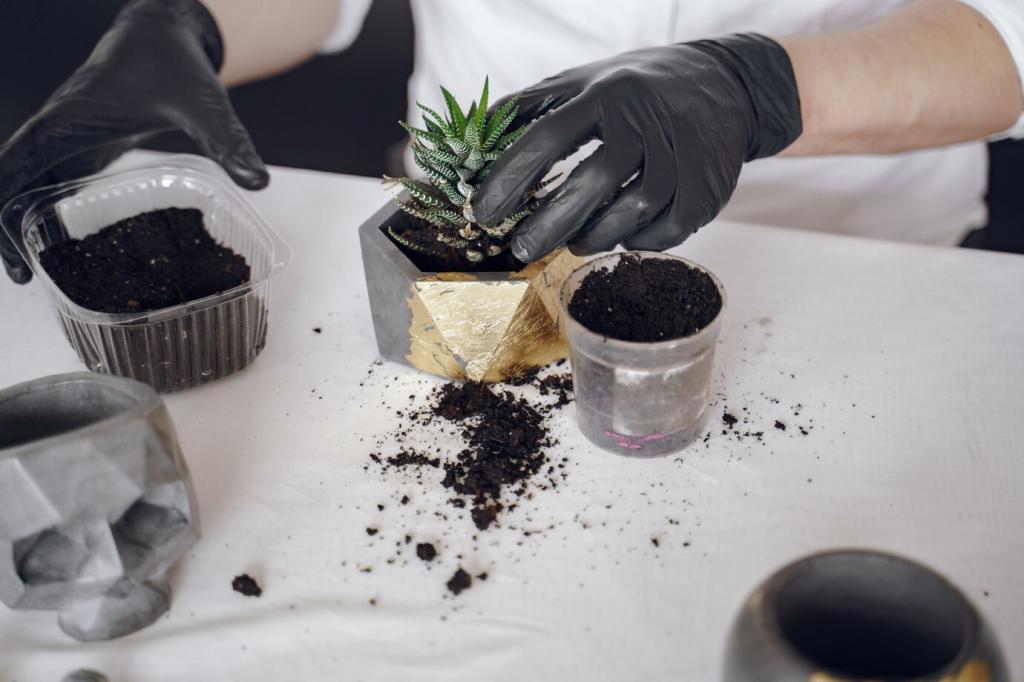
In low light, evaporation slows. Use a well-draining mix: quality potting soil with perlite, bark, or pumice to keep roots oxygenated. This balance curbs soggy conditions, protecting against rot while supporting patient, sustainable growth.
Mindful Watering Rhythm
Water less frequently and more thoughtfully. Check moisture with a finger or skewer, waiting until the top inches dry. Rotate pots after watering for even growth. Tell us your watering routine—we’ll help refine it for your unique space.
Light Feeding, Big Results
Lower light means slower metabolism. Use diluted, balanced fertilizer monthly during growth seasons, pausing in deep winter. Observe leaves for color and resilience, adjusting gently rather than overcorrecting. Measured feeding builds strong, dependable foliage over time.
Cluster plants to raise local humidity naturally. Add pebble trays with water beneath pots, ensuring roots never sit in water. This simple trick mimics the gentle moisture many shade-adapted plants appreciate, especially during heated, dry winter months.
White walls, pale curtains, and strategic mirrors bounce gentle light deeper into rooms. Place plants where reflected light falls. Even moving a pot one meter closer to a wall can noticeably improve brightness and growth over several weeks.
Designing Spaces That Help Plants Succeed
Use shelves, plant stands, and side tables to stagger heights. Edge placement near doorways often captures stray illumination. Rotate plants a quarter turn weekly to encourage balanced growth and prevent the classic lean toward scarce light.
Species That Truly Thrive in Low Light
Reliable, Forgiving Favorites
ZZ plant, snake plant, pothos, cast iron plant, and heartleaf philodendron shrug off dim conditions with surprising grace. Start with one or two varieties, observe, then expand your collection as confidence grows and routines settle comfortably.
A Peace Lily Story
Maya rescued a peace lily from an office corner with flickering lights. She improved drainage, set a morning watering ritual, and added a small LED. Three months later, glossy leaves returned. Share your rescue stories to inspire others.
Matching Plant to Place
Map the darkest spots for truly tough species and reserve brighter low-light areas for pickier plants like some calatheas. Take notes, label shelves, and trade tips in the comments. Smart placement prevents stress, encouraging calm, steady development.
Troubleshooting and Tracking Progress
Spotting Early Problems
Yellow lower leaves can suggest overwatering; limp leaves may signal underwatering or chill. Sticky residue could indicate pests. Use a weekly checklist, snap photos, and keep small interventions consistent before making any major changes.
Growth Journals and Light Logs
Record new leaves, watering dates, and lux readings monthly. Comparing notes across seasons reveals patterns that intuition misses. Post your templates or ask for ours. Together, we’ll refine routines that fit your home’s unique rhythm.
Seasonal Tweaks, Gentle Hands
Winter may need longer supplemental lighting; summer may require less. Resist drastic moves. Adjust in small, two-week increments, reevaluate, and proceed. Celebrate each improvement by sharing before-and-after photos to motivate fellow low-light growers.